Master Finish
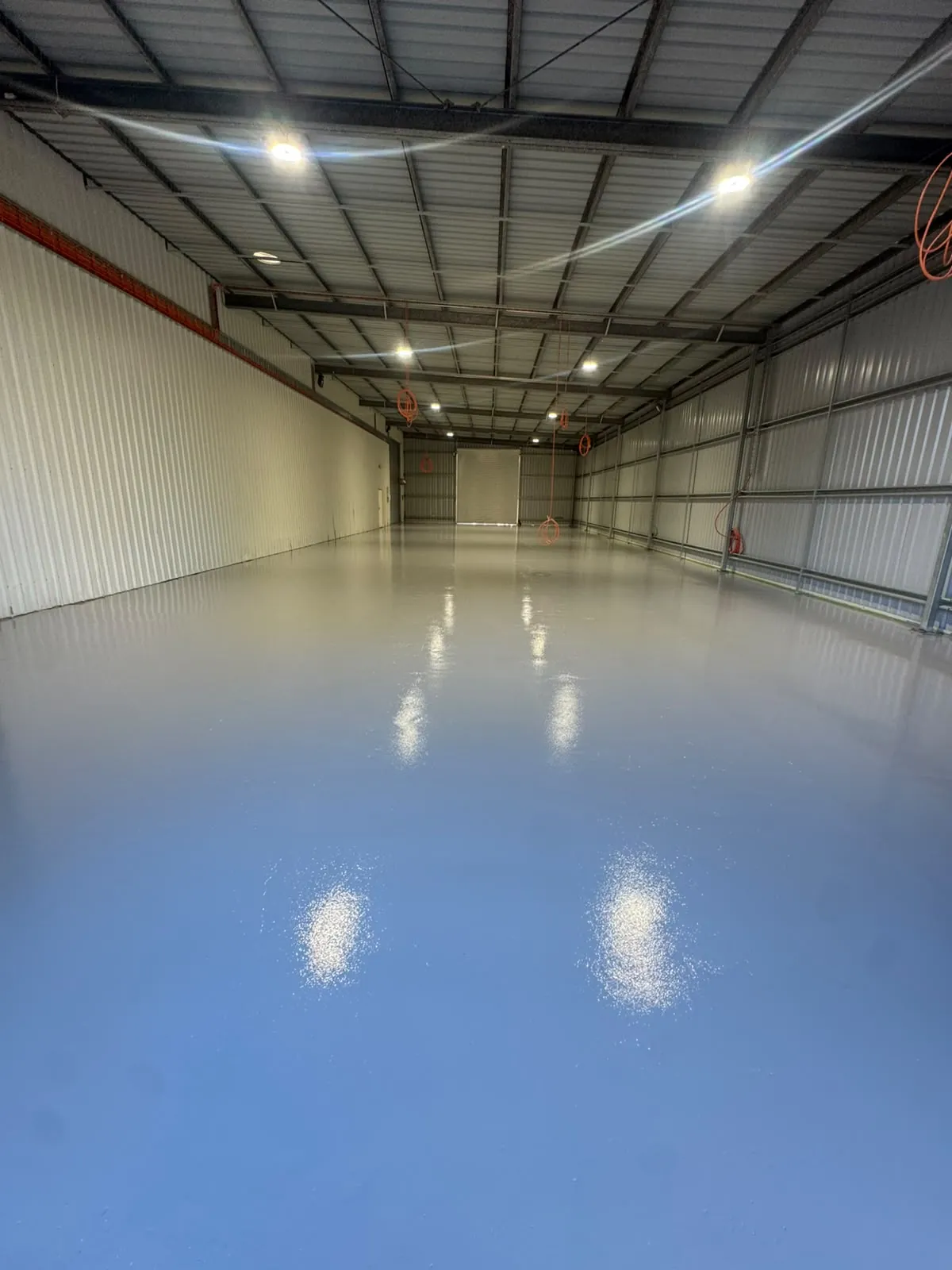
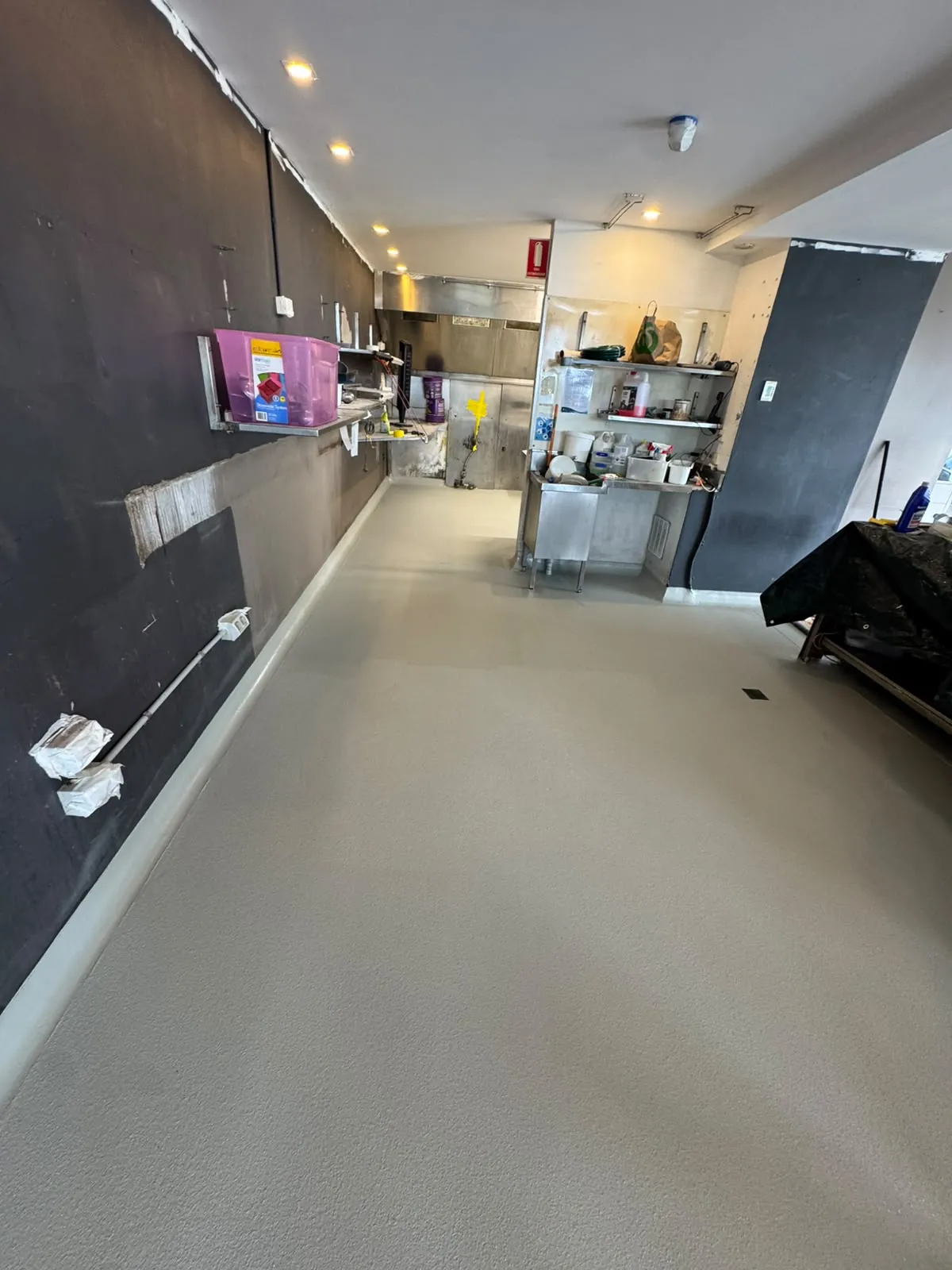
Some sites need more than a thin coating. Heavy impact, abrasion, chemicals and thermal shock call for thicker, higher-build systems. We assess the conditions and specify a system to match.
01Applications
02Specification
03Process
We check the concrete, moisture, cracks, joints and existing coatings, and confirm how the floor will be used.
Diamond grinding or mechanical preparation, then crack, joint and defect repairs. Most coating failures start here.
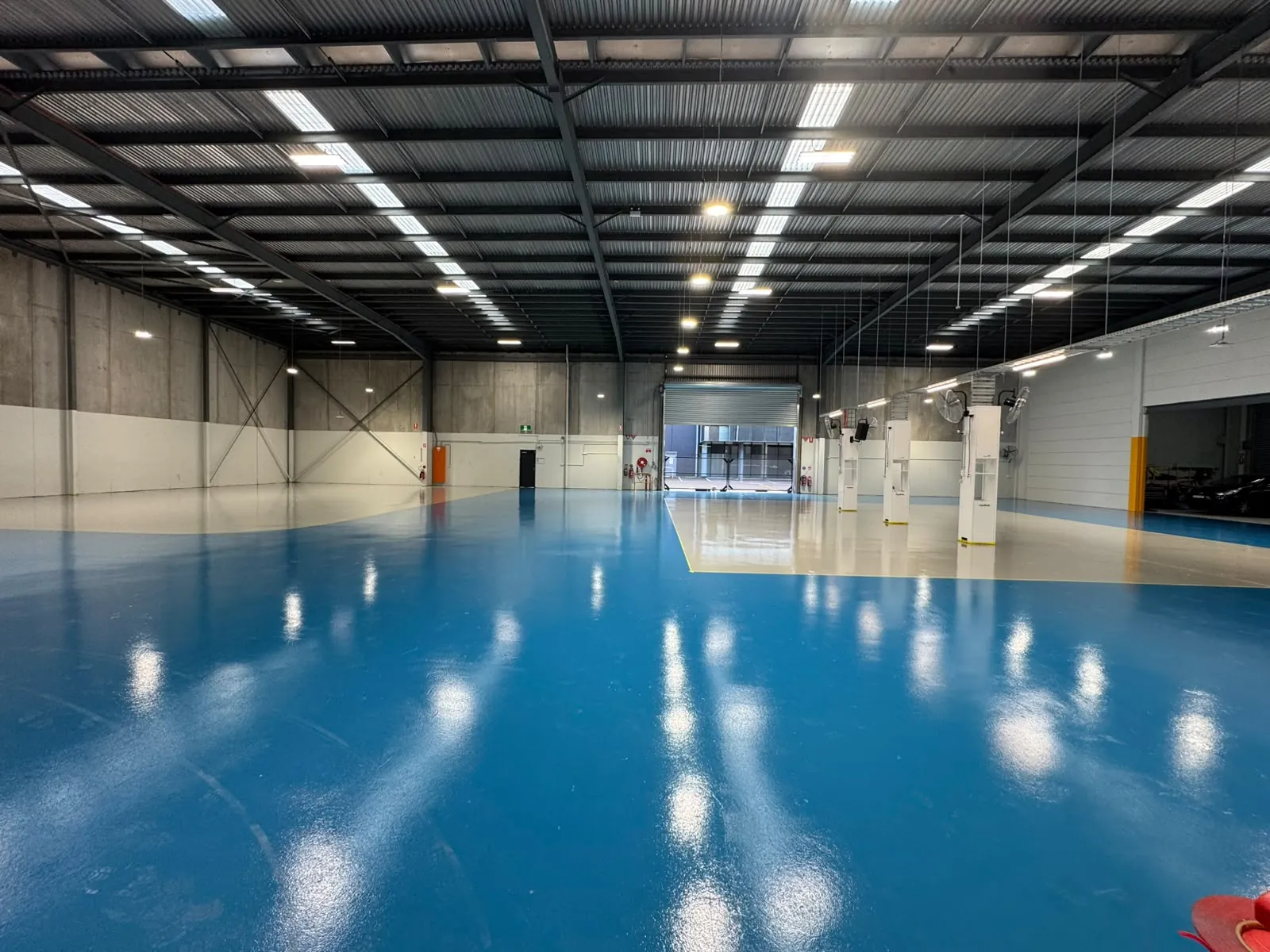
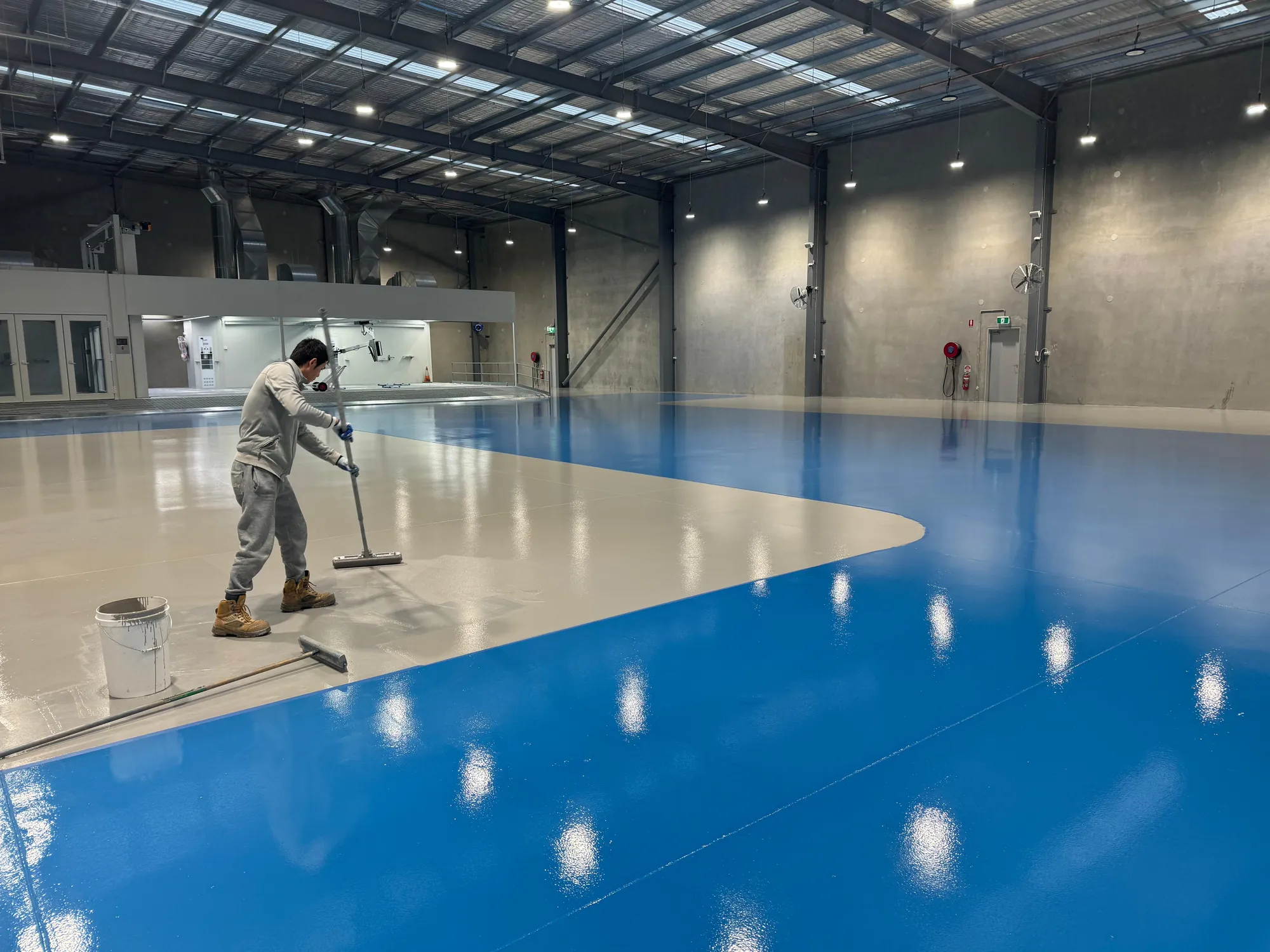
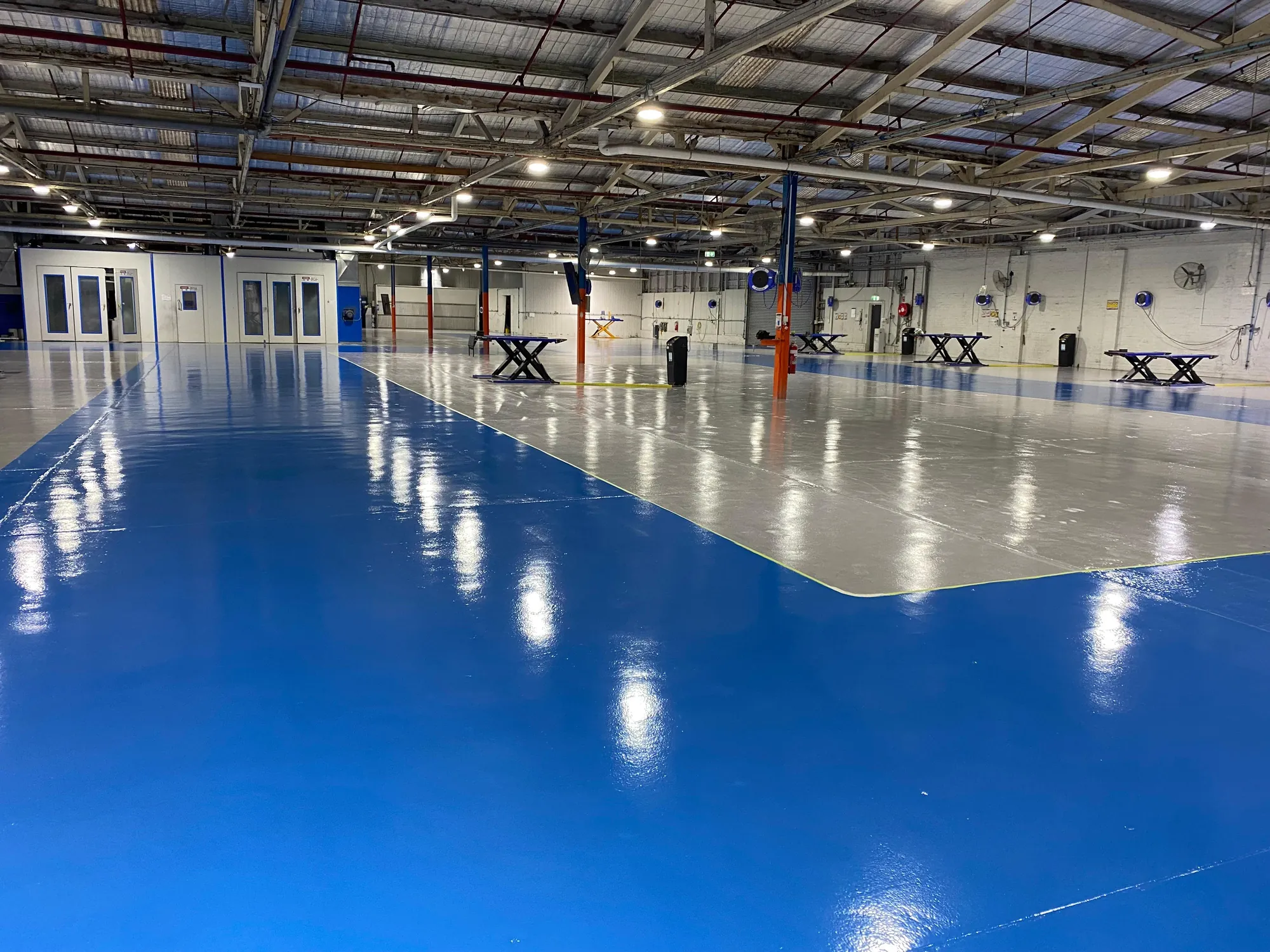
Primer, body and top coats for the specified system, with coving, line marking or colour zones built in.
Correct cure time before traffic returns, plus care and cleaning guidance.
04Project photos
05FAQ
A coating is a thin protective layer. Heavy-duty systems are applied thicker, e.g. trowelled or self-levelling screeds, to handle impact and abrasion.
Yes. Colour zones and line marking can be included in most systems.
06Related
→Next step
Send us the floor area, location and current condition. Photos or plans help us quote accurately.